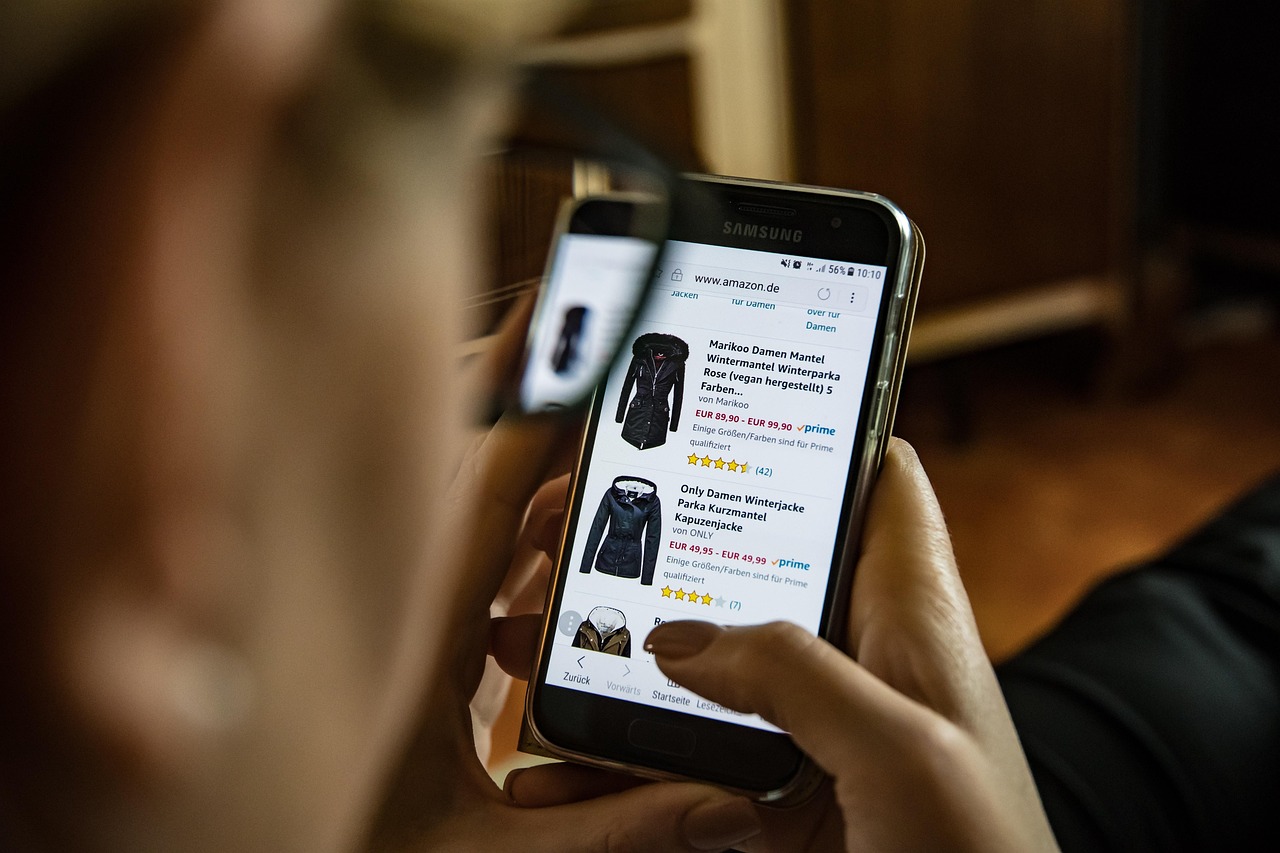

If you’ve scrolled through TikTok or Instagram Reels lately, you might have come across a new kind of academic content. Students are filming themselves getting help. It may be a “Study with Me” livestream, a quick “Watch Me Get Tutoring” vlog, or a YouTube short capturing a lightbulb moment. Student-made academic microcontent is clearly taking off. What’s striking isn’t the format, it’s the transparency. Students are showing what they know and the process of learning what they don’t. This shift has signaled something important about how today’s students perceive academic support.
For generations, seeking tutoring carried an unspoken stigma. Needing help often meant a student was falling behind. Now, students are flipping that narrative, framing tutoring as a form of empowerment and accountability by making their own academic microcontent. A 30-second clip of someone clarifying a calculus concept or reviewing a rough draft can reach thousands of peers who may realize, “I could do that too.” When academic support becomes part of a student’s personal brand, it stops being remedial and starts being aspirational.
This shift in mindset aligns closely with what the online tutoring platform NetTutor has seen for years. When tutoring is presented as an integral, judgment-free part of the learning experience, engagement skyrockets. NetTutor’s model, where students can access expert, empathetic tutors anytime, reflects the same accessibility and normalization that social media now amplifies.
“When students see their peers embracing support, it validates the idea that learning is collaborative,” says Vincent Forese, President of NetTutor. “Our goal has always been to make tutoring feel like a natural extension of the classroom, not a separate or stigmatized experience.” By giving institutions tools to promote tutoring as a standard part of student success, NetTutor helps turn academic help-seeking into a cultural norm rather than an exception.
The popularity of academic microcontent also reveals how students crave authenticity and relatability. They now have the freedom to replace doom scrolling with something valuable. They witness real problem-solving and real growth. The short, digestible clips make learning social and participatory. For educators and student success professionals, the visibility matters. The more students see academic support in action, whether through peers online or institutional platforms like NetTutor, the more they internalize that seeking help is a strength.
The rise of “Watch Me Get Tutoring” videos may outlast quirky social media trends. It’s a sign that help-seeking is becoming normalized, shared, and even celebrated. Education continues to meet students where they are, both online and off. Institutions have an opportunity to embrace this cultural moment. By supporting and amplifying the visibility of learning in progress, we can redefine what it means to be a successful student.
Written in partnership with Tom White