
14 candidates are on the ballot, and millions of dollars in tax measures are up for a vote. Here’s what every voter should know about the most pressing issues in Los Angeles right now.
As voters head to the polls on June 2, the city finds itself dealing with more than one crisis. The mayoral primary alone centers around more than a dozen candidates. Meanwhile, voters across the county hold the power to redirect more than a billion dollars in public spending.
It’s a lot to sort through, from wildfire recovery to housing costs, but because these issues cover the concerns of everyday Angelenos, they’re issues to watch. The outcomes of June 2 will have far-reaching consequences, so for locals, it will pay to review a comprehensive LA voter guide that breaks down candidates and their positions, as well as measures on the ballot.
Wildfire Recovery and Emergency Preparedness
The January 2025 Palisades fire killed 12 people and destroyed a large swatch of the Pacific Palisades neighborhood. In that same month. The emergency notification failure during the Eaton Fire took another 19 lives. And many people who have lost homes have yet to break ground on new construction. As a result, these LA wildfires, often driven by the powerful Santa Ana winds, have become one of the hottest-button issues in Los Angeles elections because recovery, for many, takes far too long.
At this point, many voters going into the June 2 election have either lost homes or watched their friends, family, or neighbors lose their homes. When one part of the community suffers, the entire community suffers, because the pain spreads outward. Even locals completely disconnected from the Palisades or Pasadena recognize that if it can happen to their neighbors, it can happen to them.
For these reasons, most candidates are running some kind of messaging on wildfire recovery and emergency preparedness. Mayor Karen Bass has been on the defensive since the beginning of the election cycle, aiming to share blame for a lack of preparedness with the county. Spencer Pratt lost his home during the Palisades Fire, so his platform is highly personal, focusing on emergency response reform.
Adam Miller has launched accusations at Bass. He’s given her an “F” over how she handled the fire and explained the need for tech-driven fixes in the city he sees as figuratively and literally broken. And Nithya Raman is looking at the situation more broadly, calling for better basic municipal functions. She believes the wildfire issue is tied to the widespread failure of city services.
In short, candidates cannot get through this race without addressing how they might prepare for emergencies and deal with wildfire recovery going forward. Voters will have to decide which approach they believe is the best, and which candidate they think will deliver on their promises.
Homelessness and Housing Affordability
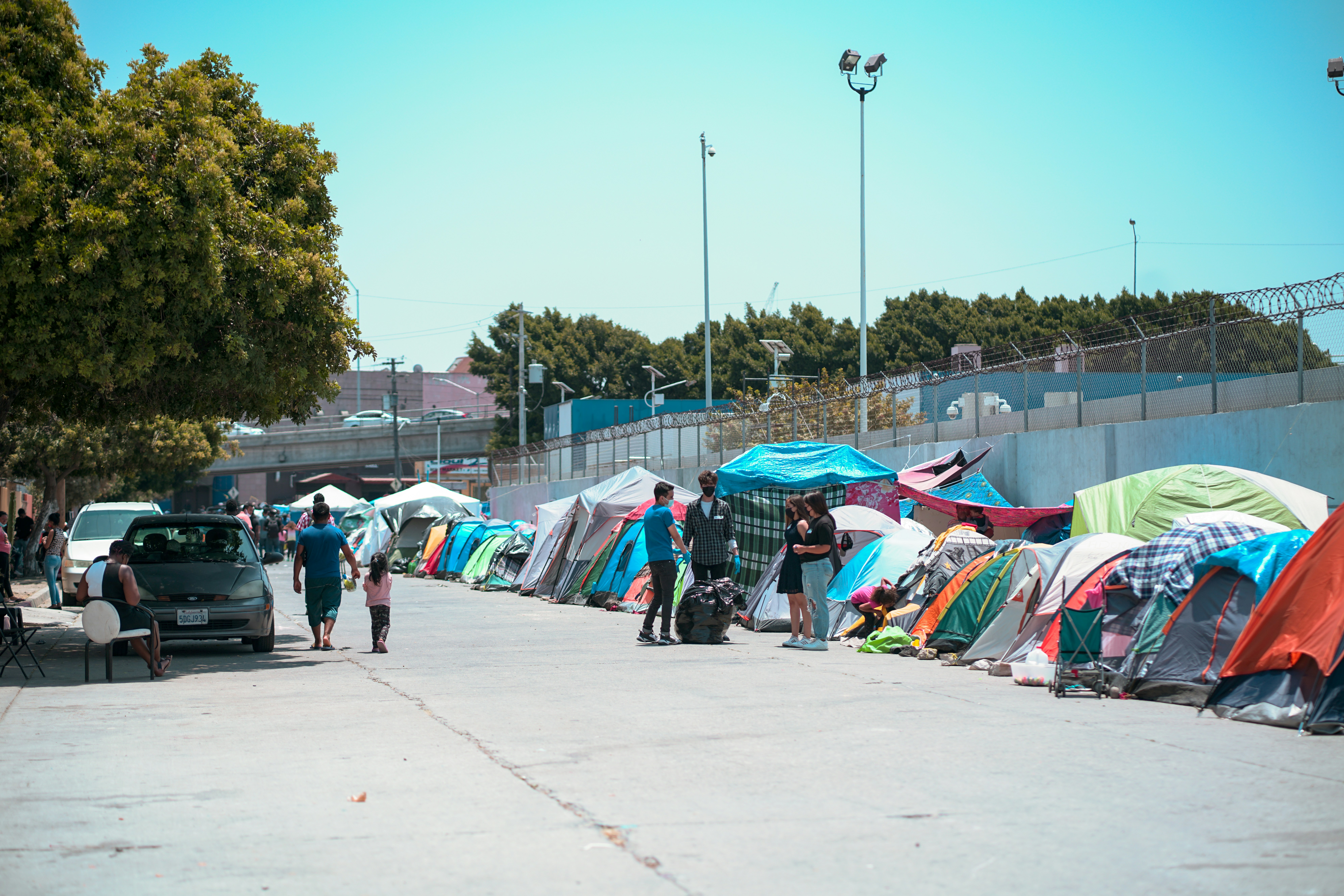
While wildfires are on virtually everyone’s mind in Los Angeles, an even more pressing issue for the city is the homelessness crisis. Indeed, homelessness consistently ranks as voters’ top concern as encampments grow in neighborhoods across the city and housing costs continue to squeeze local residents.
The 2025 homeless count found more than 70,000 people experiencing homelessness across the county, 43,000 of whom occupy spaces in the city of Los Angeles. Those numbers have grown since 2019, and the $300 million dollars the city has spent on Karen Bass’s Inside Safe program has seen 40% of participants ending up right back on the streets.
Of course, Mayor Bass defends her program by pointing to its results, crediting it with a 17.5% reduction in street homelessness over the last two years. Nithya Raman wants to scrap Inside Safe entirely in favor of scaling up a rental assistance program that offers resources and support to the homeless population.
Adam Miller would also scrap Inside Safe, but his approach aims to build tiny-home villages. And Spencer Pratt pushes a treatment-first approach that would address the need for public safety and order. Voters effectively need to decide whether to keep, reform, or scrap Inside Safe, and then help figure out whether treatment and sobriety should be included in housing assistance programs.
Measure ER: The Healthcare Sales Tax
Millions of Californians have seen their healthcare coverage put at risk due to federal cuts to Medicaid (Medi-Cal in California). The cuts have tightened eligibility requirements in 2025 and beyond, in a city and county where many residents rely on public health clinics and county hospitals. Seven of LA County’s public health clinics have already closed, and 200,000 LA County residents have already been disenrolled from full-scope Medi-Cal coverage.
In response to this issue, the city aims to increase the sales tax by one-half cent for the following five years through Measure ER. This increase will raise revenue by $1 billion per year, money that can go to stabilize health services. The city can increase funding to nonprofit clinics, county hospitals, and public health departments. These increases will not only help low-income residents but also support other human services like disease prevention, school-based health services, and in-home support.
The opposition argument lies largely in accountability. How can the city make sure the funds go where they’re supposed to? Furthermore, opponents argue that this “fix” is only partial and temporary. So, they say, it will raise taxes without actually resolving the whole problem. This vote will be decided by every voter in Los Angeles County as it affects the entire region.
Hotel Taxes and the 2028 Olympics Revenue
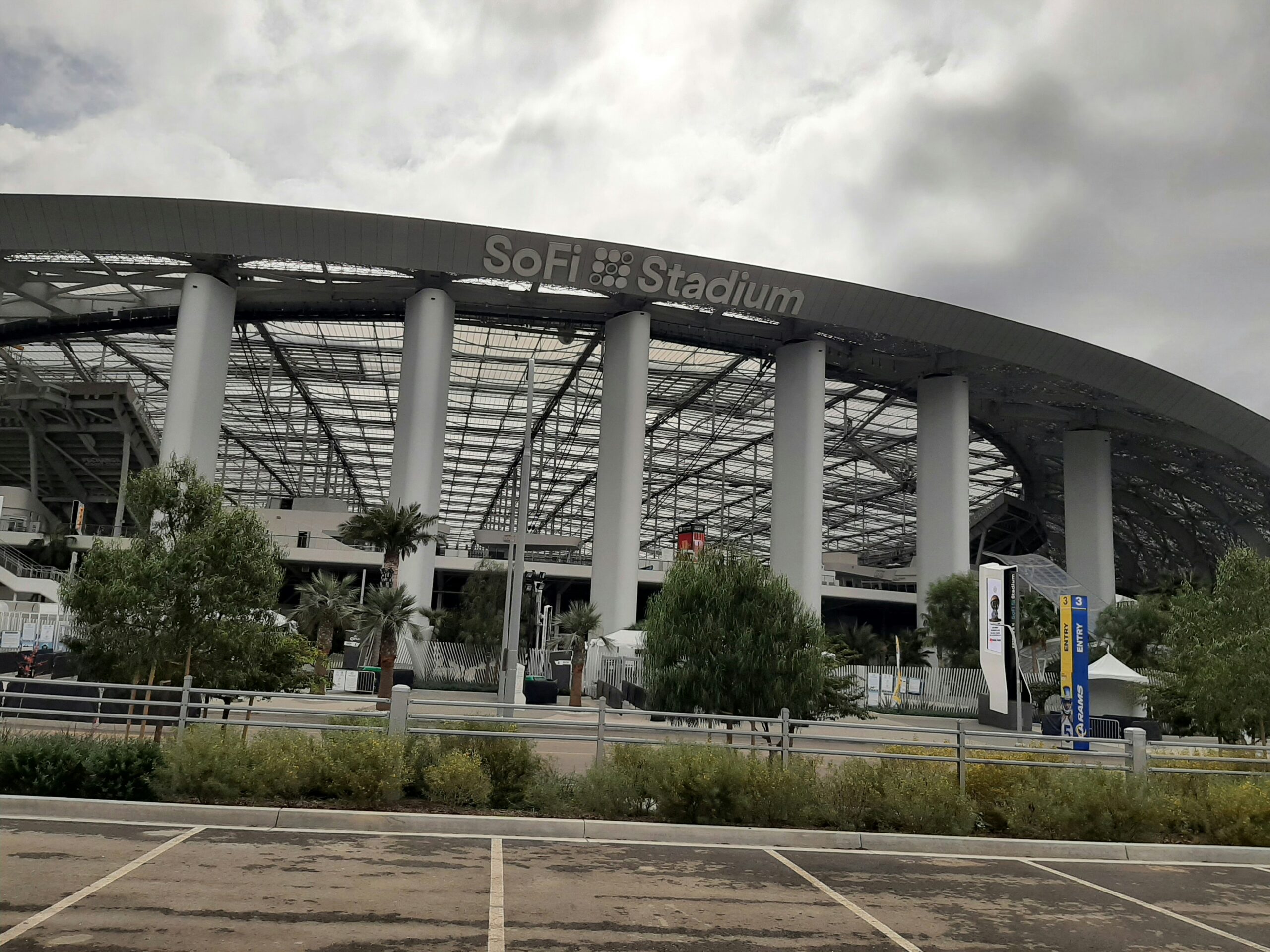
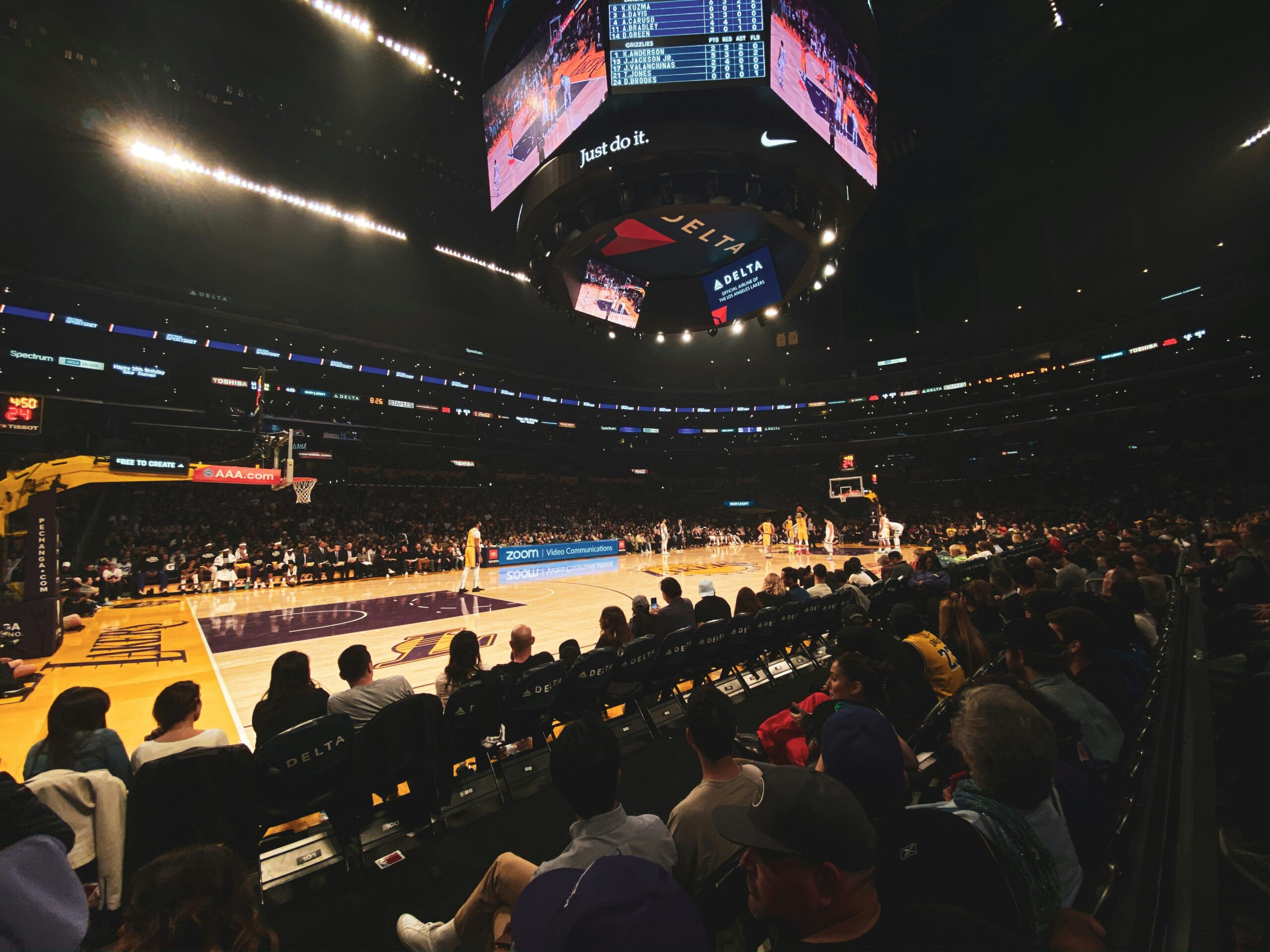
Any large event that takes over a city comes with pros and cons. The 2025 NBA All-Star Weekend in San Francisco saw a steep incline in economic activity from visitors and positive attention to the Bay Area, but it also saw an increase in traffic, congestion, and costs for local residents. And that was only one day. Now, Los Angeles is preparing for the 2028 Olympics, which will run for 17 days in July. The Paralympic Games will follow in August, for 12 days.
To address both the pros and the cons of these events, Los Angeles has two ballot measures up for a vote. Proposition TT would temporarily raise the city’s hotel room tax by 2% during the Games and then reduce that tax by 1% immediately afterward. This revenue should bring in about $44 million in 2028 and then $22 million per year after that. Proposition TC addresses a loophole in how online travel platforms pay that tax. It requires those platforms to pay based on what guests actually pay, rather than a discounted wholesale rate.
Proponents of these measures argue that the Olympics offer the city a rare opportunity to capture revenue from visitors, which will increase funding for city services. The city says it could use the funds for sidewalk and street repairs, 911 emergency response, fire protection and parks. Opponents argue that the increase in taxes will simply drive visitors to book accommodations outside of the city. Voters have to decide whether visitor tax revenue will fund essential city services or shrink the existing taxable base.
Wrapping Up
In the end, the June 2 ballot is asking Los Angeles voters to weigh in on questions that go beyond merely who sits in the mayor’s office. Local residents will have to address wildfire readiness, the future of public funding, and just how and whether the city should capture increased revenue. It really comes down to priorities, and understanding what’s at stake before filling out the ballot is the most direct way Angelenos can have a say in what comes next.
Written in partnership with Tom White