
Image credit: Pexels
From communication-driven workflows to product intelligence systems, a new generation of AI tools is changing how companies organize work, prioritize decisions, and manage execution.
Traditional project management software is still embedded in modern workplaces. Teams continue to rely on digital boards, timelines, and task trackers to organize deadlines, assign responsibilities, and monitor progress. The scenario is somewhat different across the technology sector, where companies are realizing that the biggest operational challenge is not task execution but understanding what deserves attention in the first place.
As organizations manage increasing volumes of communication and data, many leaders believe that conventional task-based systems fail to keep pace with modern business workloads.
Growing Limits of Task-Based Management
For years, project management platforms centered on manual organization. Employees created tasks, updated statuses, interpreted notes, and transferred information between systems. While effective for tracking execution, these systems depended heavily on human coordination to remain accurate. This model is becoming harder to sustain.
Modern teams now operate across email threads, Slack conversations, virtual meetings, customer support channels, analytics dashboards, research documents, and collaborative platforms. Valuable information is scattered across multiple environments, creating gaps between communication and execution. As a result, companies are looking for systems that can synthesize fragmented information before teams even begin assigning work.
Communication-First Platforms Are Changing Workflows
The emergence of communication-first AI platforms marks a clear shift, converting conversations directly into workflows. Instead of having employees manually move information into a project board, these systems identify action items directly from messages, meetings, and collaborative discussions.
Jeff Reynar of this+that Lab described the transition as a fundamental shift in how work is captured and organized.
“What we saw as a really big opportunity was less about making the task manager itself better, and that really the opportunity was to connect where the tasks were, and they’re all in your communications in one way or another, to the task manager using AI.”
Reynar also emphasized that the larger goal extends beyond automation alone.
“We’re using AI to try and make communications better and make people more productive.”
This reflects a broader industry movement toward reducing administrative overhead for managers and operations teams who spend significant time manually maintaining project systems.
According to Reynar, automation can significantly reduce the burden of organizing work across departments.
“We could spare the person who’s responsible for kind of curating the contents of the task manager from having to spend so much time doing that.”
The result is a category of AI-driven task-management tools that attempt to sit directly within communication ecosystems rather than operate as separate destinations employees must constantly update.
Product Intelligence Platforms are Changing Prioritization
Product development teams are adopting AI systems that focus less on tracking work and more on determining what work matters most.
These platforms aggregate customer interviews, support tickets, analytics data, user feedback, and business objectives to help teams identify patterns and prioritize problems.
This change is especially significant for fast-moving software companies, where product backlogs often grow faster than teams can evaluate. AI-assisted prioritization tools are eliminating guesswork, improving alignment between customer needs and development efforts.
Yan Grinshtein, co-founder and CEO of Cepien AI, emphasizes how important AI is for analyzing scattered data, analytics, research, feedback, and internal knowledge into impactful insights.
“Humans do not have the capacity to read, understand, cross-reference, compile everything, synthesize everything, and come up with something interesting or something valuable out of it. We just can’t. We don’t have the human capacity to do it,” says Grinshtein.
AI Platforms Are Recommending Action
The latest generation of platforms is beginning to recommend or initiate next steps automatically, rather than simply capturing tasks across many systems. Some tools can identify recurring product issues, generate Jira tickets, draft product requirements documents, create wireframes, route requests to the appropriate teams, or execute small operational fixes via AI agents.
In practice, this moves project management beyond passive tracking into active operational support. Industry analysts increasingly view this transition as part of a broader evolution in enterprise software, where AI systems are expected not only to store information but also to interpret it and recommend actions.
Specialized AI Systems Are Emerging in Regulated Industries
The movement is also expanding into highly specialized sectors where workflows involve regulatory complexity and formal review processes.
In medtech and regulatory affairs, platforms such as ReguTron use simulations and AI-powered FDA-style reviewers to help users practice preparing regulatory submissions before entering the workforce or participating in real-world approval processes.
These systems illustrate how AI project and workflow management tools are becoming increasingly industry-specific, adapting to environments where documentation standards, compliance requirements, and procedural accuracy carry significant consequences.
Human Oversight Remains Relevant
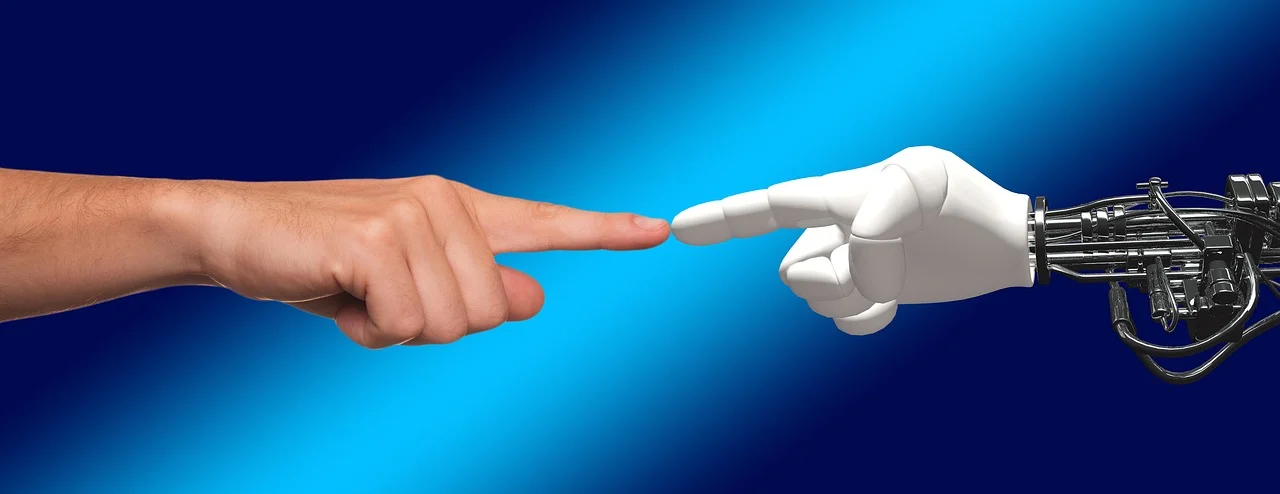
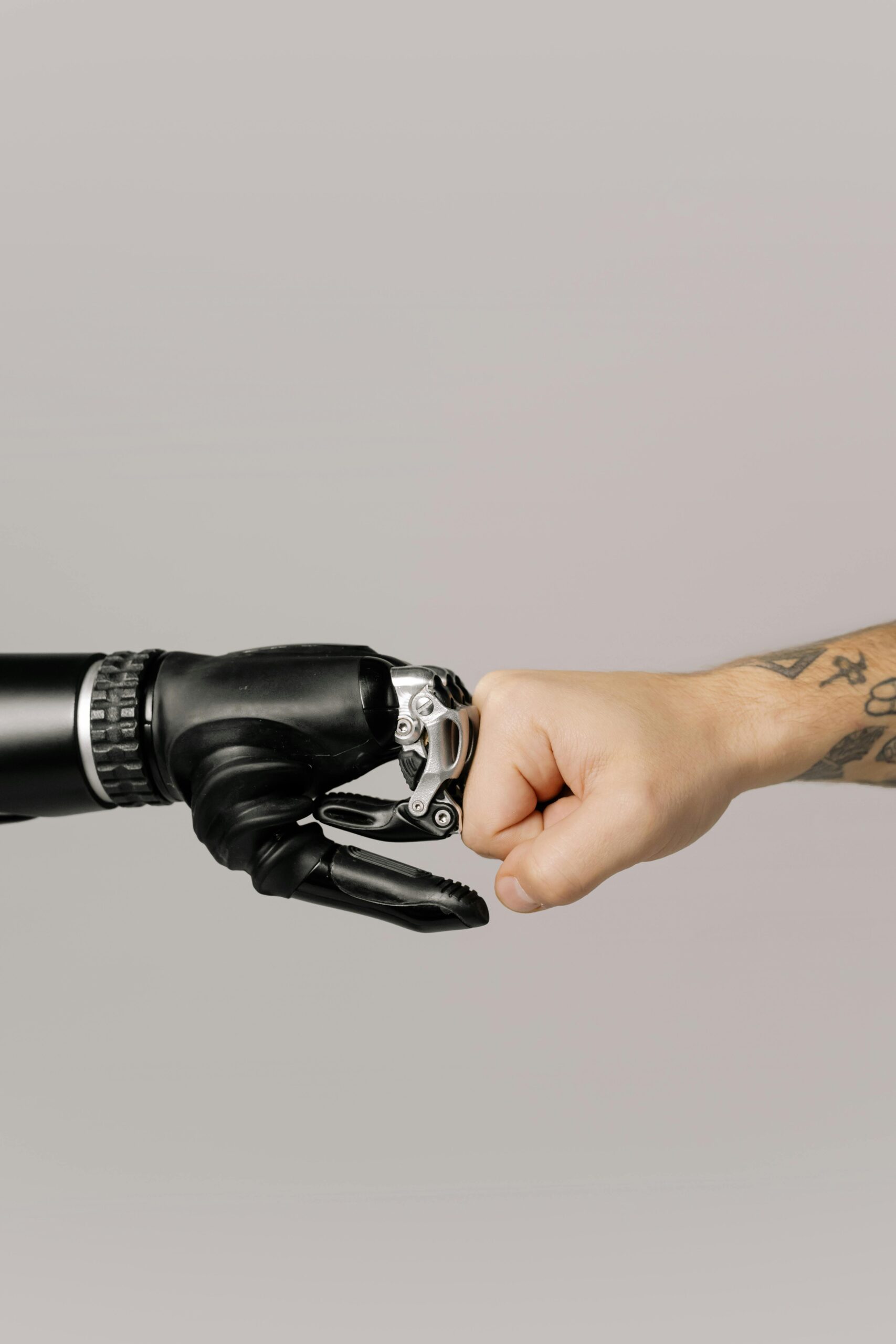
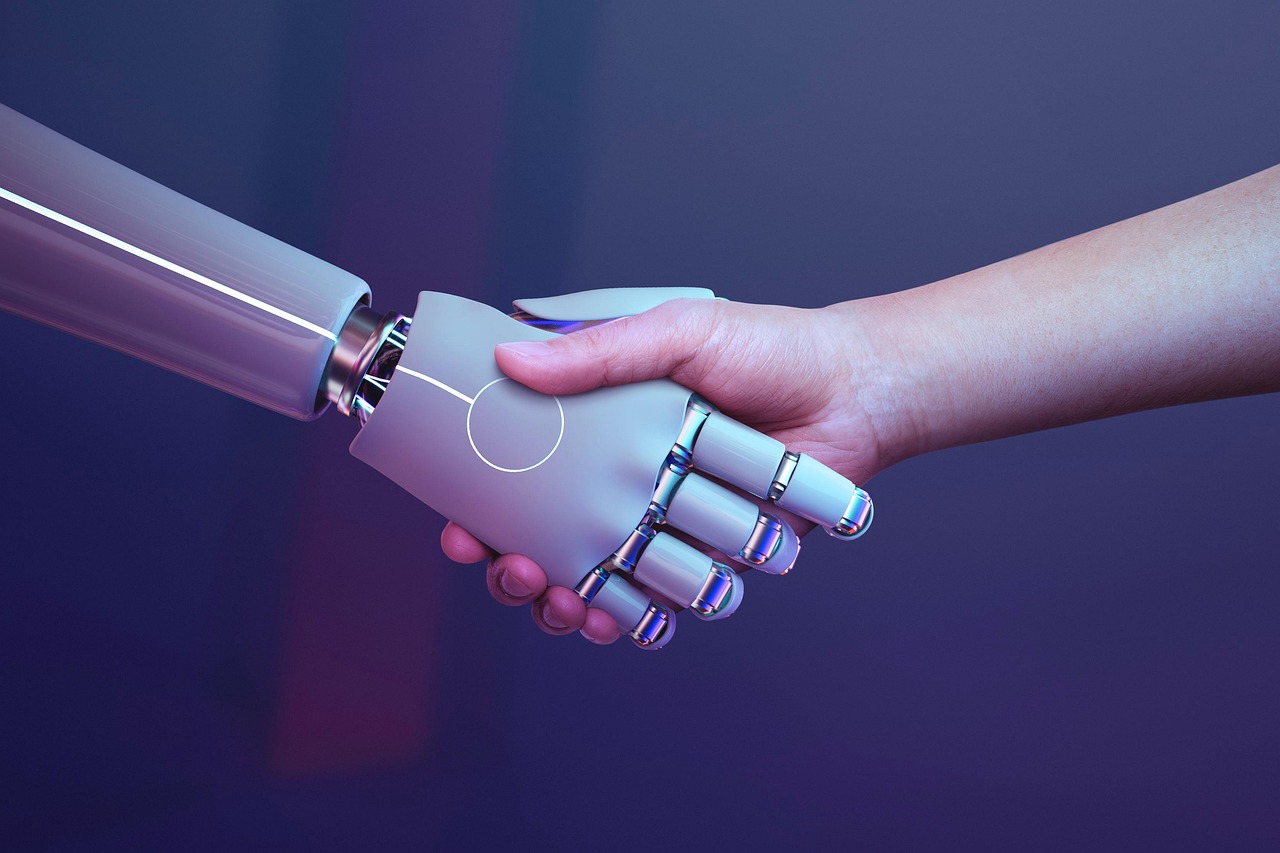
Despite rapid advances in AI systems, industry leaders continue to stress the importance of human judgment.
AI platforms are designed to reduce repetitive administrative work, surface relevant information more quickly, and improve operational visibility. Final approvals, strategic direction, and decision-making authority remain with human teams.
This balance is becoming the foundation of enterprise AI adoption. While automation handles coordination and synthesis, people remain responsible for interpretation and accountability.
Different Future for Project Management
As AI platforms continue to evolve, the future of project management appears increasingly detached from the traditional image of task boards and checklists.
The next generation of systems may not resemble project management software at all. Instead, they are emerging inside communication platforms, customer intelligence systems, product analytics environments, and specialized industry workflows.