
Image Credit: Pexels
Crime in Los Angeles is a defining factor in how residents plan to vote and what they’re demanding from their local leaders.
By most measures, violent crime in Los Angeles is down. But voters in the city don’t always feel safe here, and they relate those feelings to crime and what local politicians are doing about it. The reality is that residents tend to bring their emotions to the ballot box with them, and the streets of Los Angeles are generating heightened fear for a variety of reasons. As a result, community safety and crime have become hot-button issues ahead of the November election.
Here’s an in-depth look at what’s going on:
Perception Is Everything, and Crime Means Different Things to Different People.
Long before election talk begins, people are thinking about crime in their neighborhoods and wondering who to hold accountable. Voters are often considering how crime affects their lives from various angles on a regular basis. So by the time candidates make their bids and new policies come into view, crime is already top of mind.
And what makes things especially challenging for residents and the candidates hoping for their votes is that a lot of the time, residents are responding less to crime trends and statistics than to what they see and experience every day.
After all, the LAPD has released reports for the last couple of years showing that almost the entire range of crime is down across the city. The 2024 report showed homicides fell by 14% and then they fell another 19% in 2025. That’s the lowest level since 1966.
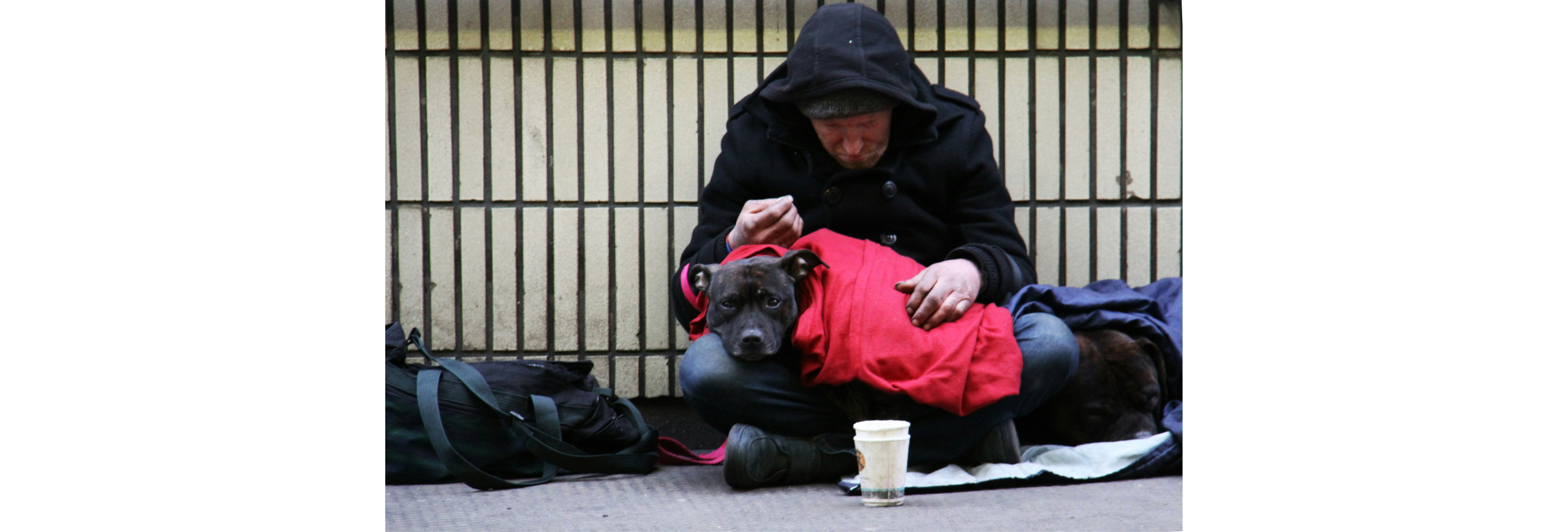
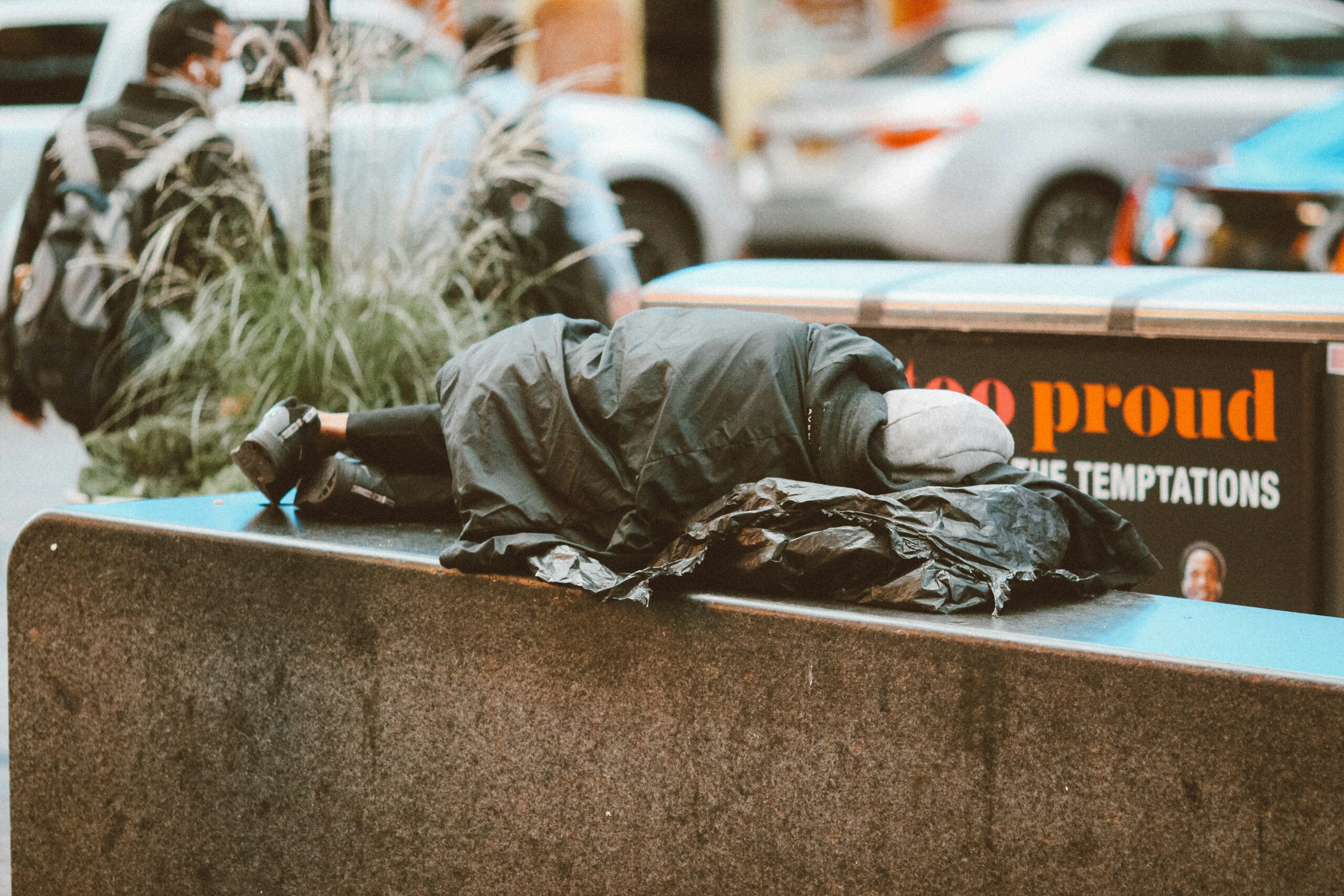
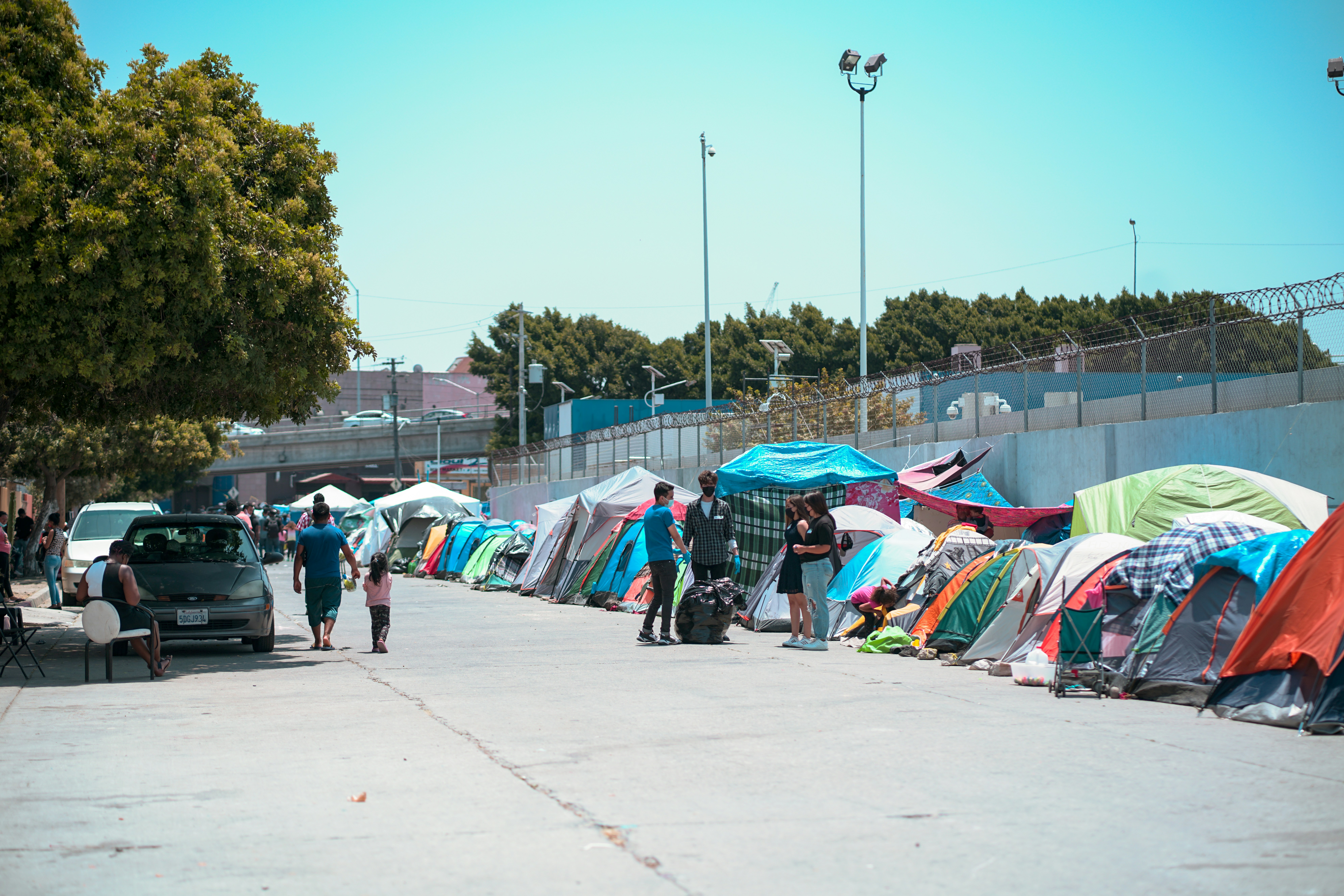
But many Angelenos aren’t looking at homicides, or even petty crimes, which are also down. They’re looking at how safe they feel, and with homelessness continuing to rise and more people out on the streets, they don’t always feel safe.
What the LAPD Says about Public Safety
These feelings bring up an important question when it comes to crime: what are the police doing to improve community safety? The LAPD makes the case that the city is safer, and they’ve got hard data to prove their point.
The department points to neighborhoods effectively using preventive strategies and programs like GRYD (Gang Reduction & Youth Development) and CSP (Community Safety Partnership) with resulting drops in homicides by 40%. Still, some neighborhoods continue to see issues with theft from vehicles and burglaries.
Many readers will remember a time when “defund the police” was a common cry, and, for the most part, that call has shifted to redirect funds from the LAPD to community resources and other programs that can help address poverty and homelessness, two issues that often relate directly to crime statistics.
To address voters’ frustrations, the city is moving in different directions, like diverting some mental-health crisis calls away from the police. This clear call and response shows that residents feel strongly enough about crime to push their elected officials to take action.
Crime Is Tied to Broader Instability
One of the reasons crime remains such a strong issue in and out of election cycles is that it connects so clearly to so many other aspects of daily life. Like with homelessness and poverty, voters are savvy enough to see that crime doesn’t exist in a vacuum. More voters are connecting crime with economic instability, addiction, and homelessness.
Once they put these points together, it’s hard to argue that the only answer is to add more police to the force. Instead, people are eager to get involved in coalition building to help address the issues that lead to crime. They figure, and often rightly so, that if they can address addiction or homelessness, crime might just take care of itself.
Thus, when they go to the ballot box, voters in Los Angeles may be looking for candidates who get involved, who make the connection between crime and life circumstances, and who offer pathways to make those circumstances better.
What Voters Actually Want
So, what are the voters of LA actually asking for? The truth is that most voters aren’t extreme in their political stances. Instead, they’re looking for a both/and approach: yes, they want law enforcement to be accountable to their roles, policing the streets and upholding the law, but they also want investment in prevention, so they don’t have to rely on police to save them from a crime already in progress.
After all, community safety is not a single-issue concern. Voters want to see coordination across housing, mental health, and employment. They want their tax dollars to go to resources that will stop people from choosing crime, and they want the police to be there when they need them. And, of course, each individual’s stance is going to be based on their own experiences, which can vary based on their neighborhood, income level, and background, or a combination of all three.
Safety and Stability Matter
Ultimately, crime data and election outcomes are closely linked, but what’s really showing up in polls this cycle is that people want to feel safer, and they want their city to feel more stable. It seems that Los Angeles voters aren’t really choosing between safety and compassion, but demanding both. The candidates who understand that balance will be the ones most likely to earn their trust at the ballot box.
Written in partnership with Tom White