
Real estate investors are accustomed to asking what a property can earn. Katrina E. Robinson has spent years asking a slightly different question: what could that same property accomplish if it were used differently?
That distinction sits at the center of her work in group homes and co-living.
Robinson believes residential real estate can generate stronger returns than many investors have come to expect while creating housing for people who may not need, want or be able to afford an entire home on their own.
She points directly to that possibility when describing what she most wants aspiring operators to understand.
“It’s possible to make more than $200 per door in real estate,” Robinson says.
The number matters because it challenges a familiar assumption. For many landlords, a few hundred dollars in monthly profit from a rental unit can represent a satisfactory outcome. Robinson’s experience has shown her that co-living can create a different financial equation.
Yet the most compelling part of her story is not the number itself. It is everything she had to build before the numbers became sustainable.
Seeing More in the Same Property
Co-living begins with a relatively simple idea: a residential property can serve more than one independent household or tenant relationship.
The implications are larger.
For residents, shared housing can offer access to a home at a cost below what it might take to rent an entire property independently. For an owner, making fuller use of the available space can change the earning potential of an asset without requiring another acquisition.
That overlap between affordability and financial performance is what attracted Robinson to the model and ultimately became central to the businesses she built.
But she did not approach housing as a passive investment.
Robinson lives in Los Angeles while operating homes in San Antonio, and in the early years she traveled to Texas roughly every few weeks. She wanted to see the properties herself, understand the residents’ experience and know what was happening inside the business she was building.
Even from California, she stayed closely connected.
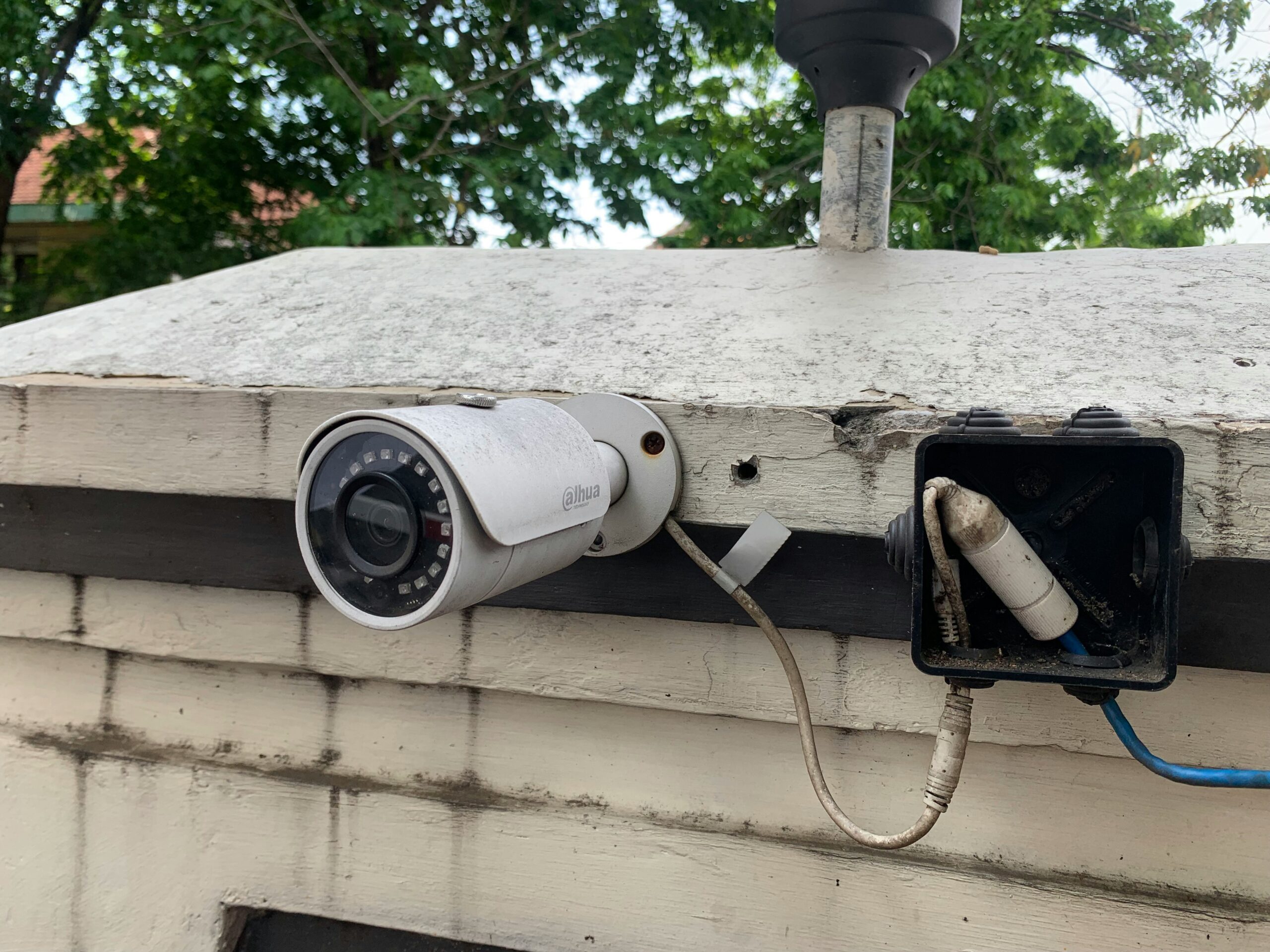
“I don’t look at the cameras as often now, but it used to be like opening an app and doomscrolling,” Robinson recalls. “I would open the cameras and see what was going on in my house.”
The detail is revealing because it runs against the easiest interpretation of the opportunity.
The appeal of co-living may begin with economics, but Robinson’s success was not built by simply dividing a house into more sources of rent. She had to understand how shared housing behaved as an operating business.
Building Something That Could Hold the Opportunity
There is a meaningful difference between a property that has the potential to generate more income and a business capable of realizing that potential consistently.
Robinson learned that difference over time.
She became deeply familiar with what the homes required, then gradually built a management structure around that knowledge. Responsibilities that once depended on her were transferred in stages. Her trips to Texas became less frequent as the people and systems around the properties became more capable.
Today, she visits quarterly rather than every few weeks, and an operations manager oversees much of the day-to-day activity.
It is an important qualification in an industry where phrases such as “passive income” can make a business model sound easier than it is.
Robinson’s experience suggests something more valuable than effortless ownership. A well-built operation can become increasingly efficient, but that efficiency has to be earned through experience, standards and management.
“So much setup goes into setting up a business on autopilot because it doesn’t just happen,” she says.
That perspective gives Robinson’s argument about real estate returns more weight. She is not describing an economic theory from the outside. She has spent years learning what has to exist behind the income.
A Broader View of What Real Estate Can Do
Robinson’s larger argument is ultimately about what an investor chooses to see when looking at a residential property.
One view sees a house, a monthly rent figure and the difference between income and expenses.
Another asks how effectively the property is being used, who else it could serve and whether a different operating model could create value for both the owner and the people living there.
Co-living does not make every property appropriate for that second approach, nor does it remove the risks inherent in operating a housing business. What Robinson’s experience demonstrates is that there can be considerably more possibility inside residential real estate than the conventional rental model suggests.
That possibility is financial, but it is not only financial.
The same model that can increase the productive capacity of a property can also expand access to housing for people seeking something more attainable than an entire apartment or house of their own.
For Robinson, those two outcomes do not have to work against each other.
That is what makes the opportunity worth paying attention to.
The story is not simply that an investor may be able to earn more than a few hundred dollars per door. It is that a residential property can potentially create more value than many owners assume, provided someone is willing to build the business required to support it.
Robinson has spent years doing exactly that.
For more information about Katrina E. Robinson and her work in co-living and shared housing, visit colivingbusiness.com.
Written in partnership with Tom White